There was a time when outside vacation lights resided in storage space bins for eleven months of the year. Homeowners dragged out twisted strings in late fall, climbed ladders in cold weather, replaced burnt bulbs, and loaded whatever away once again sometime after New Year's. That cycle still exists, but it is shedding ground to something more useful and, honestly, better all year long: Irreversible Vacation Lights.
What started as a seasonal ease has become a smarter classification of outside lights. The very best systems no longer serve only December visual charm. They work as architectural accent illumination, protection illumination, event illumination, game day lights, and subtle day-to-day illumination. When chosen and installed well, they can make a home appearance a lot more finished on an ordinary Tuesday in April than a short-lived strand ever did on Xmas Eve.
That change matters due to the fact that homeowners are asking a lot more from external lighting than they used to. They desire something clean, resilient, energy-efficient, and easy to regulate. They also desire lighting that suits your home itself, not simply the calendar. That is where irreversible systems have a benefit. They are designed to disappear when not in use, yet provide a large range of effects when activated.
Why these systems relocated beyond the holidays
The largest misconception about irreversible lights is right there in the name. People hear "vacation lights" and picture red and environment-friendly scenes, showy patterns, and a roofline that just makes good sense in December. In technique, many property owners use these systems much more frequently for non-holiday settings.
A long-term lighting system sits discreetly along the roofline, soffits, fascia, trim, or other building lines. Throughout the day, a high quality installment is hard to observe. In the evening, it can highlight the shape of the home in a way that feels refined as opposed to temporary. That alone provides it an area past the holiday season.

The need has actually also grown since today's LED systems are much more refined than older ornamental lighting. Illumination can be changed. Shades can be personalized. Routines can be configured. Whole scenes can be saved and remembered from an application. This transforms a once-a-year task into part of the home's broader exterior lights plan.
I have actually seen homeowners begin the discussion intending to stay clear of climbing up ladders every winter, then recognize the bigger value is not seasonal convenience at all. It is control. They can establish a soft brownish-yellow radiance for nights on the outdoor patio, button to group colors for a watch event, usage patriotic motifs for summer season holidays, and go back to underrated cozy lighting the next evening without touching a solitary clip or extension cord.
The day-to-day instance for permanent lighting
The best debate for irreversible systems is not novelty. It is versatility combined with restriction. Made use of well, the lights sustain the home instead of control it.
For day-to-day usage, many families prefer subtle scenes. A crisp white line under the soffits can make a dark facade really feel safer and a lot more welcoming. A low-brightness setting can light up entry points sufficient to help guests find the front door without relying upon a rough flood lamp. In areas where architectural lights issues, this can be a cleaner visual selection than wall-mounted place fixtures.
There is additionally a useful side for families. Exterior lighting usually requires to do numerous tasks simultaneously. It must assist with visibility, give the house a lived-in look when locals are away, and develop sufficient ambience for outdoor time without transforming the property into a stadium. Permanent LED systems can handle those completing demands better than the majority of short-lived setups.
The keyword phrase below is moderation. Not every home benefits from saturated shade every night. In fact, among one of the most attractive uses of Permanent Holiday Lighting is often the least theatrical one: soft, warm perimeter lights that silently traces the home's lines. Numerous homeowners particularly request for Traditional Warm Soft Lights due to the fact that they want the appearance of a clean home, not a long-term party. That preference is one reason these systems have actually become more approved in higher-end neighborhoods and on homes with typical architecture.
Design matters more than the app
Manufacturers put a lot of advertising focus on application control, color collections, and pre-programmed scenes. Those features serve, but they are not what makes a system successful. The real test is how the installment looks when the lights are off, just how balanced the output feels when they get on, and whether the design matches the framework of the home.
A great lights strategy values architectural rhythm. Gables, eaves, comes to a head, columns, and access attributes all interact in a different way with light. On some houses, a complete roofline setup develops the ideal effect. On others, a partial layout concentrated on the front elevation looks far better and sets you back less. Extra lights do not immediately suggest a much better result.
I have actually seen easy installations exceed bigger ones due to the fact that the installer recognized sightlines. A two-story home on a slim great deal may gain from cleaner top lines and a restrained front-facing layout. A large cattle ranch residence with deep soffits may need tighter spacing and cautious brightness calibration to avoid a dotted look from the road. Those information determine whether the home looks sophisticated or overlit.
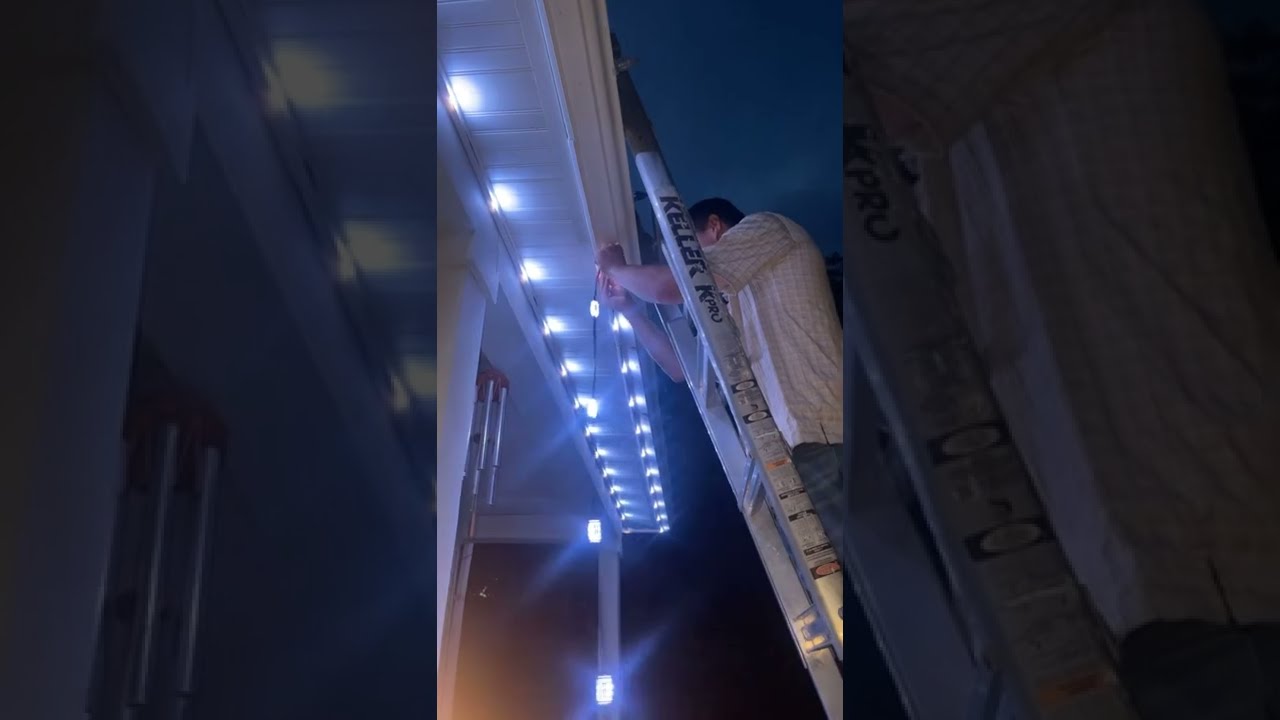
That is why Permanent LED Illumination Installment must be dealt with as a design-build service, not simply a product purchase. The system itself matters, yet placement, mounting approach, wire management, and programs make the difference between "mounted lights" and "incorporated lighting."
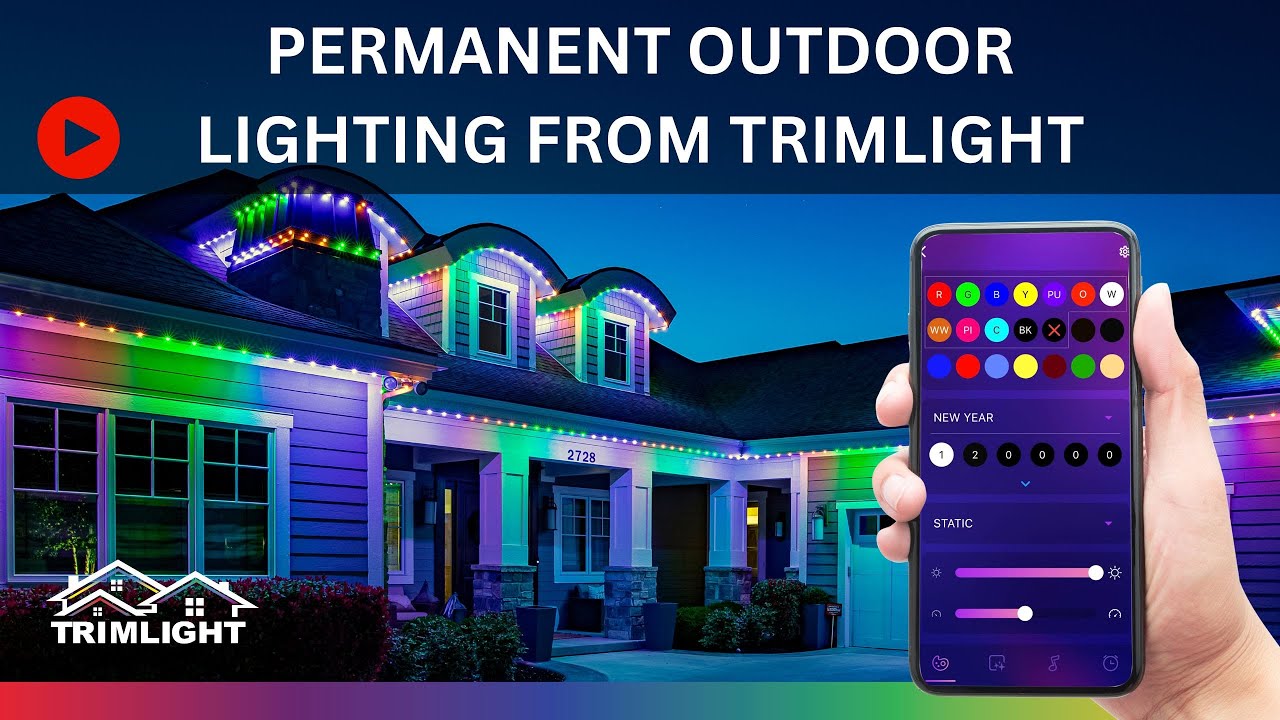
Where irreversible holiday lights beam year-round
Homeowners have a tendency to find the value of permanent lights via the real world, not via a feature list. Once the system is in place, the uses multiply virtually on their own.
- Everyday curb charm with cozy, low-output architectural lighting Hosting support for yard suppers, birthday celebrations, and neighborhood gatherings Seasonal designing without clips, ladders, or outlet overload Security-minded organizing that provides your house a busy look Personalized scenes for sporting activities occasions, graduations, and local celebrations
Each of those uses sounds straightforward, however the collective result is substantial. Exterior lighting no longer comes to be a task that comes from one month. It enters into just how the home functions.
One home owner I collaborated with originally warranted the investment because they were tired of paying each year to hang momentary lights on a high roof. A few months after installment, they told me the vacation feature had actually already come to be secondary. Their favored setup was a dim warm white scene that ran instantly from sunset till 10 p.m. It made your house really feel ended up, enhanced visibility around the driveway, and looked great in every period. December was still enjoyable, however the other eleven months were where the value really revealed up.
Warm white is typically one of the most secondhand color
The market likes to market lively RGB displays, and there is definitely an area for them. Yet in long-term use, several property owners clear up into one of the earliest lighting reactions there is: warm, complementary light merely looks good on a house.
Classic Warm Soft Easy work particularly well on block, natural stone, painted exterior siding in soft tones, and typical trim details. They soften darkness and complement landscaping instead of taking on it. They likewise tend to be a lot more neighbor-friendly. Brilliant color animations might be amazing for a party or vacation weekend break, however a cozy static radiance is what lots of people really intend to live with.
There is a sensible reason for this choice too. White equilibrium influences viewed high quality. Cooler temperature levels can make a residence show up plain or somewhat industrial, specifically if the LEDs are too brilliant. Warmer tones are more flexible. They produce deepness without squashing the facade. On older homes, this can be the distinction between improving character and cleaning it out.
That does not mean shade is lost. Vice versa. The point is that irreversible systems are strongest when they can relocate comfortably between meaningful and underrated setups. A home needs to have the ability to celebrate on Saturday and look calm and fine-tuned on Monday.
Installation high quality is where the investment is won or lost
A long-term system is only just as good as the way it is mounted. This is where many house owners take too lightly the task. They contrast items on brightness or app screenshots and overlook the principles that establish efficiency over time.
Mounting approach issues. So does cable concealment. So does climate resistance at every link point. Rooflines broaden and agreement with temperature. Wind, rain, sunlight exposure, and particles all job against exterior elements throughout the years. If a system is affixed improperly or transmitted thoughtlessly, you will certainly see it in sagging lines, visible cabling, early failings, or irregular color output.
Clean positioning under the drip side or along soffit channels typically produces a much more incorporated look than exposed clip-on approaches. The installer also requires to represent accessibility to power, controller placement, and future use. A controller installed in a reasonable, protected place is less complicated to fix than one buried in an unpleasant edge of the attic room with poor air flow and spotty signal.
Brightness zoning deserves interest as well. A front-facing optimal might require various setups than lower eaves. Without thoughtful programming, one part of your house can show up well balanced while review excessively intense. Great installers make up this from day one instead of handing the problem to the homeowner later.
In the area, the cleanest projects normally come from groups that ask a great deal of concerns prior to they begin. They would like to know how the home owner delights, whether they prefer subtle or strong scenes, what surrounding homes look like at night, and which building lines matter most. That examination procedure is not sales fluff. It becomes part of the style work.
Cost, worth, and the math home owners actually use
Permanent lighting is not a small impulse acquisition, and it should not be discussed as though it were. Expenses differ commonly based upon roofline complexity, story elevation, regional labor rates, control attributes, and the top quality of the equipment. Some homes may be on the reduced end of a few thousand bucks, while bigger or more complex homes can climb much higher.
The helpful contrast is not simply against one box of short-term lights from a store. It protests the duplicated yearly expense of installation, maintenance, storage hassle, substitute strands, and homeowner time. For households that have spent for seasonal hanging time after time, the math can come to be convincing earlier than expected.
There are likewise softer forms of worth that matter in reality. Lowered ladder use is not a small issue, specifically for older homeowners or houses with challenging roofing system geometry. Less clutter in the garage issues. So does the ability to change the look of your home for an occasion in thirty seconds as opposed to spending a mid-day disentangling cords.
That claimed, not every residential or commercial property requires a full permanent system. If a house owner only enhances lightly every couple of years and has no rate of interest in year-round accent lights, the return may be much less compelling. Profundity means confessing that as well. The modern technology is functional, however it is most worthwhile when the owner prepares to utilize it regularly past significant holidays.
Common errors that make permanent lights look cheap
The irony of long-term lights is that it can either elevate a home or make it look a lot more short-term than a seasonal configuration. Generally the distinction boils down to a few preventable mistakes.
Over-brightness is one of the most usual one. Individuals usually presume that even more output equals a lot more effect. From the street, it generally suggests glow, locations, and shed detail. Exterior lights should expose kind, not wipe out it.
The 2nd error is using every readily available color since the system can. A home is not an amusement park. Saturated color can be efficient in short bursts, however consistent aesthetic noise wears thin quickly. This is particularly real in neighborhoods where homes rest close together.
The third mistake is inadequate line choice. Mapping every side of a roofline without considering proportion can make a house appearance hectic. Oftentimes, highlighting the best building contours creates an even more refined result.
The fourth is buying based on application features alone. A slick user interface can not offset weak diodes, irregular spacing, or a noticeably unpleasant install. The hardware and craftsmanship still come first.
Questions worth asking before you hire an installer
- How will certainly the system search in daylight when the lights are off? What cozy white options are offered, and can brightness be zoned by area? How are cables concealed, sealed, and safeguarded from climate exposure? What happens if an area falls short, and how is solution handled? Can you show instances of homes with a comparable roofline and style?
Those concerns disclose a lot. A solid installer will certainly address them conveniently and specifically. They must have the ability to chat with installing details, power administration, controller gain access to, and sensible expectations for upkeep. If the discussion remains at the level of shades and phone controls, you are not yet talking about the components of the task that matter most.
Neighborhood context and great taste
Permanent lights feed on private homes, however they still interact with a shared streetscape. This is one area where proprietor judgment counts. Just because a system can run animated multicolor patterns nightly does not indicate it should.
Tasteful use has a tendency to win lasting complete satisfaction. In lots of neighborhoods, the most admired installments are the ones individuals hardly notice until night falls. The home looks crisp and welcoming, not loud. After that, when a vacation or event happens, the very same system ends up being meaningful for a minimal time.
This balance matters for resale assumption too. Customers may not react well to something that really feels extremely individualized or tough to manage. They are more probable to appreciate a system that provides as tidy building lights with flexible seasonal alternatives. That mounting makes the attribute feel helpful instead of niche.
Homeowners organizations also enter play. Some areas have rules controling brightness, timing, color use, or visible outside modifications. A high quality installer will typically flag these considerations early, but it is always smart for house owners to check before job begins.
Maintenance is lighter, not nonexistent
One of the marketing points of Long-term Holiday Lighting is lowered upkeep, and that holds true. Decreased is not the same as no. Outside systems still live outdoors, and anything outdoors needs regular attention.
Controllers may require software updates. Links must be inspected if an area behaves inconsistently. Debris and hefty climate can influence components in time. On homes surrounded by mature trees, maintaining seamless gutters and roofing system sides clean assists protect the setup environment. None of this is especially tough, yet it must be expected.
The good information is that maintenance is normally less irritating than the yearly ritual of unpacking, testing, hanging, and changing momentary strands. When a permanent system is set up skillfully, a lot of the effort has already been solved at the infrastructure level.
A much better way to think about the category
It aids to quit thinking about irreversible lights as decors that take place to keep up all year. That framework underrates what they have ended up being. A much better way to think of them is as an adaptable exterior illumination system with a seasonal personality.
That distinction modifications how property owners choose. Rather than asking only whether the lights will certainly https://outdoorfixture617.almoheet-travel.com/from-festive-to-everyday-the-adaptability-of-permanent-vacation-lighting look good in December, they start asking exactly how the house ought to really feel in August, on a wet weeknight, throughout a backyard dinner, or while they are away for the weekend break. Those are better concerns, since they reflect exactly how the home is really lived in.
When long-term illumination is chosen with that said more comprehensive purpose in mind, the financial investment begins to make good sense. It includes benefit, yes, however likewise uniformity. The house can feel finished, inviting, and versatile monthly of the year. And when the holidays get here, the party is currently built in, no twisted storage space bins required.